
The Hidden Risk of Vacant Properties in Winter: What Every Snowbird, Landlord, and Investor Should Know
Heading south for the winter? Renting out a place you haven’t checked on in a while? Maybe you’ve got a vacant property waiting for the spring market?
Whatever your situation, here’s one thing you shouldn’t ignore:
vacant homes and winter don’t mix well without a plan.
When no one’s watching, small problems can snowball into major disasters and trust us, frozen pipes and mildew aren’t the kind of guests you want moving in.
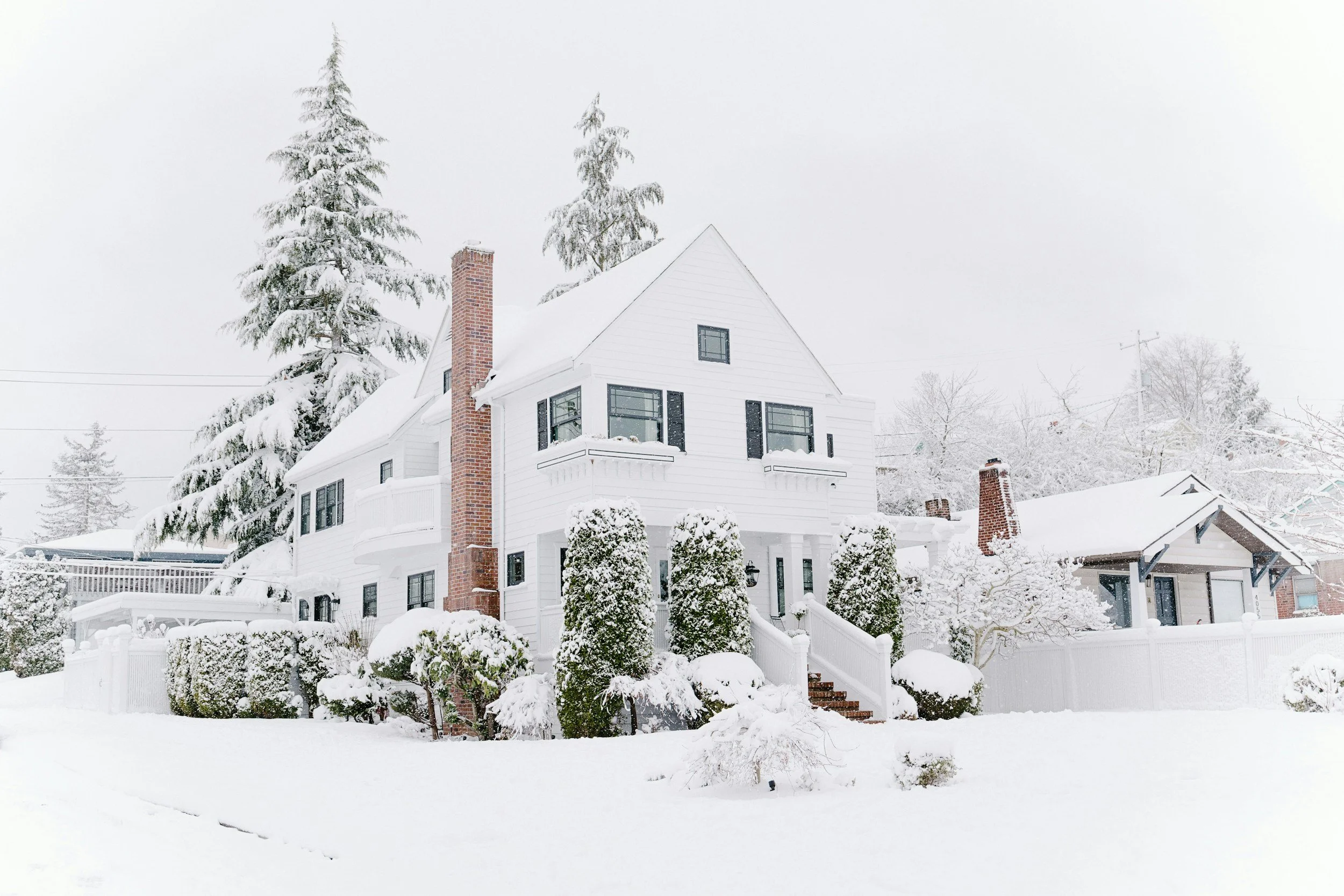
First, Why Vacant Homes Are Especially Vulnerable in Winter
Homes are meant to be lived in. When they sit empty, especially during the colder months, they’re at much higher risk for costly issues. A few of the big ones?
Frozen and burst pipes: If the heat’s off or inconsistent, interior pipes can freeze. When they thaw, the floodgates open (literally).
Undetected leaks and mold: A slow drip under a sink or in a basement can go unnoticed for weeks, until you’re hit with musty smells and major restoration bills.
Break-ins or vandalism: Vacant homes can become targets for theft or damage, especially if they look empty from the street.
Pest infestations: Mice and other critters are looking for warm places too and an unmonitored home is basically an open invitation.
Even a few weeks of neglect can cause damage that takes months (and thousands of dollars) to undo.
Tips for Winterizing a Vacant Property
Whether you’re away for a week or all winter long, a little prep goes a long way:
Keep the heat on (at least 12–15°C): It might feel wasteful, but a frozen pipe is far more expensive than a month of baseboard heating.
Shut off the water supply and drain your pipes: If the home will be empty long-term, consider fully winterizing the plumbing system.
Check weather seals on windows and doors: This helps keep heat in and critters out.
Unplug major appliances to reduce fire risk.
Install a smart thermostat or leak sensor: These tools can alert you (or a property manager) to temperature drops or unexpected water.
Ask a neighbour or hire a property manager to check in weekly.
Bonus tip: Make it look lived in. Put lights on a timer and keep the walkway clear to deter break-ins.

Insurance Considerations: Read the Fine Print
Most homeowners don’t realize that standard insurance policies have conditions for vacant or unoccupied homes. If you’re away for more than a certain number of days (often 30), and damage occurs, your claim could be denied unless:
You had someone regularly checking on the property
You took steps to winterize and maintain it
You informed your insurance provider
Always double-check with your broker and update your policy as needed. It’s not just about being covered, it’s about staying covered.
Already Have Damage? Here’s Where Ultrawest Comes In
If you’ve returned to a soggy ceiling, burst pipe, or a moldy mess, don’t panic. At Ultrawest Restoration, we’re experienced in helping property owners recover quickly and professionally.
From initial assessments to working with insurance adjusters and handling the full cleanup, we make sure your property is back in shape safely, thoroughly, and fast.
We’ve helped landlords, snowbirds, and real estate investors across Quesnel and the surrounding region handle post-vacancy surprises without the stress.
Any questions? Contact us, we are always happy to help!
