
More Than Just Tearing It Down: What Home Demolition Really Involves
When people hear the word demolition, they often picture flying debris, sledgehammers, and a whole lot of dust. It looks fast and chaotic on TV and maybe even a little fun. But real home demolition? It’s a very different story.
At Ultrawest Restoration, home demolition is a carefully planned, safety-first process, and it’s often the smartest first step toward rebuilding something better.
Whether a home has suffered fire damage, structural failure, severe mold, or years of wear and tear, demolition isn’t about destruction, it’s about setting the stage for what comes next.

Demolition Starts Long Before Anything Comes Down
Professional demolition begins with assessment and planning, not equipment. Before any work starts, the structure is evaluated to determine:
What can safely stay and what must be removed
Whether hazardous materials like asbestos or mold are present
How utilities (gas, water, power) will be safely disconnected
What permits or approvals are required
Every home is different, and demolition plans are tailored to the property, its condition, and the surrounding area. This is especially important in residential neighborhoods, where safety and control matter just as much as speed.
Controlled, Not Chaotic
One of the biggest misconceptions about home demolition is that it’s messy and unpredictable. In reality, controlled demolition is the goal. Walls, flooring, roofing, and structural components are removed in a specific order to avoid collapse, damage to nearby structures, or unnecessary debris spread.
This is especially important when demolition is partial, not total. In many cases, only certain sections of a home need to come down, such as fire-damaged rooms, compromised basements, or unsafe additions, while the rest of the structure remains intact.
Precision matters.
Safety Is Non-Negotiable
Home demolition comes with real risks if it’s not handled properly. Old building materials, unstable framing, hidden wiring, and plumbing lines all pose hazards. And when materials like asbestos or mold are involved, disturbing them incorrectly can create serious health risks.
Professional demolition crews use:
Proper containment and protective equipment
Safe material handling and disposal methods
Dust control and air quality precautions
Clear safety protocols from start to finish
This protects not only the workers, but also homeowners, neighbors, and future occupants of the space.
Clean Removal and Responsible Disposal
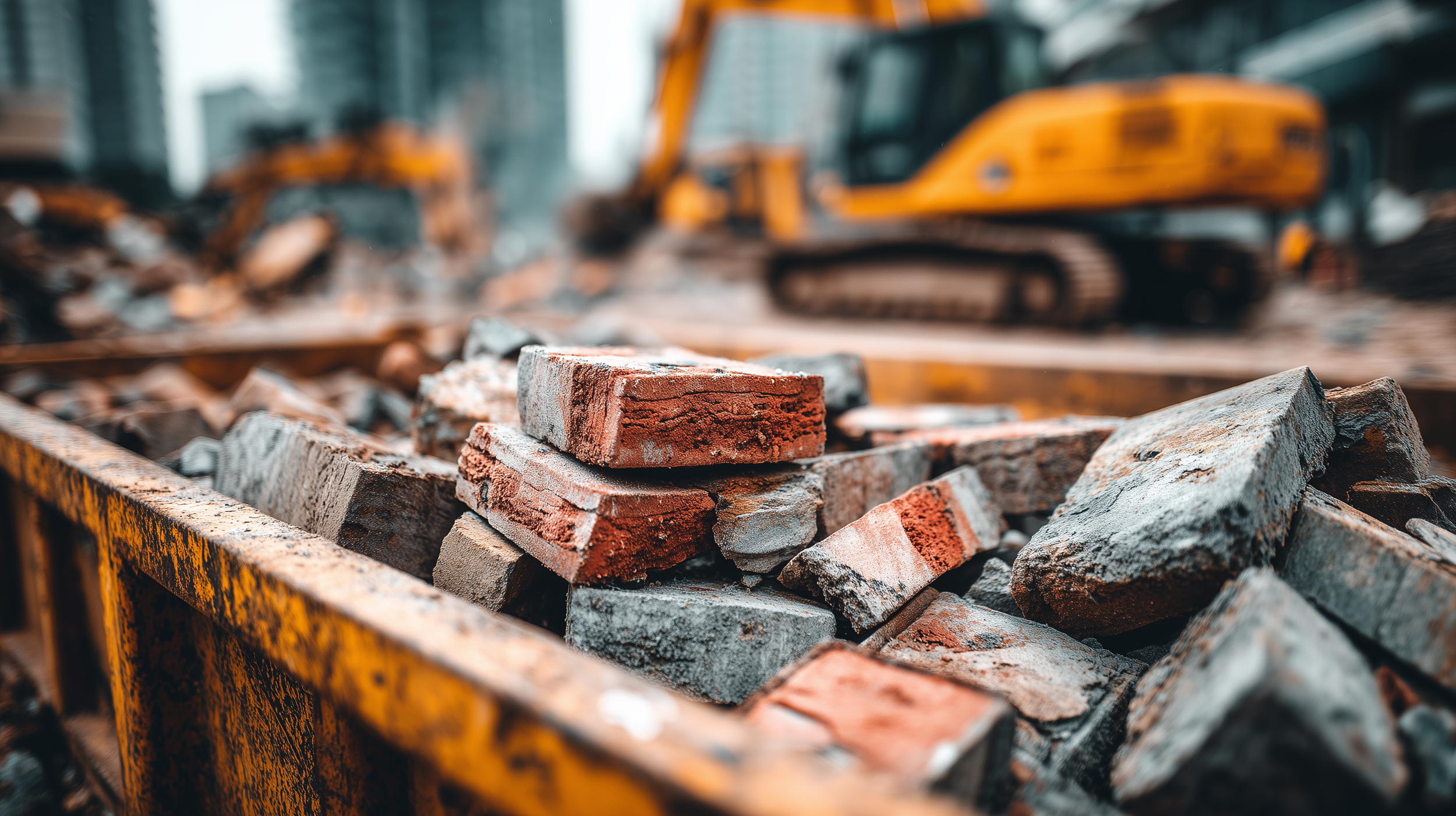
Demolition doesn’t end when the last wall comes down. Debris removal and disposal are a major part of the process, and one that’s often overlooked.
Materials must be sorted, hauled, and disposed of according to local regulations. Hazardous materials require special handling, and recyclable materials should be diverted where possible. Leaving behind a clean, safe site ensures the next phase, whether renovation or reconstruction, can begin without delays.
Why Demolition Is Often the Smart Choice
Sometimes, repairing damage piece by piece simply doesn’t make sense. When structural integrity is compromised, or when repairs start to cost more than rebuilding, demolition can be the most practical, cost-effective solution.
It creates a clean slate, one that allows homeowners to rebuild smarter, safer, and often more efficiently than trying to patch an aging or damaged structure.
The Ultrawest Difference
At Ultrawest Restoration, demolition is never rushed and never careless.
It’s a professional service backed by experience, planning, and respect for the property and the people connected to it.
Whether demolition is part of a larger restoration project or the first step toward a brand-new vision, it’s handled with the same care and attention as every service we provide.
Because tearing something down properly is often the first step to building something better.
When you’re ready, Ultrawest Restoration is just a call away.
