
Before the Snow Flies: The Renovation Deadline Most Homeowners Miss
Every September, the phones start ringing with a familiar kind of urgency.
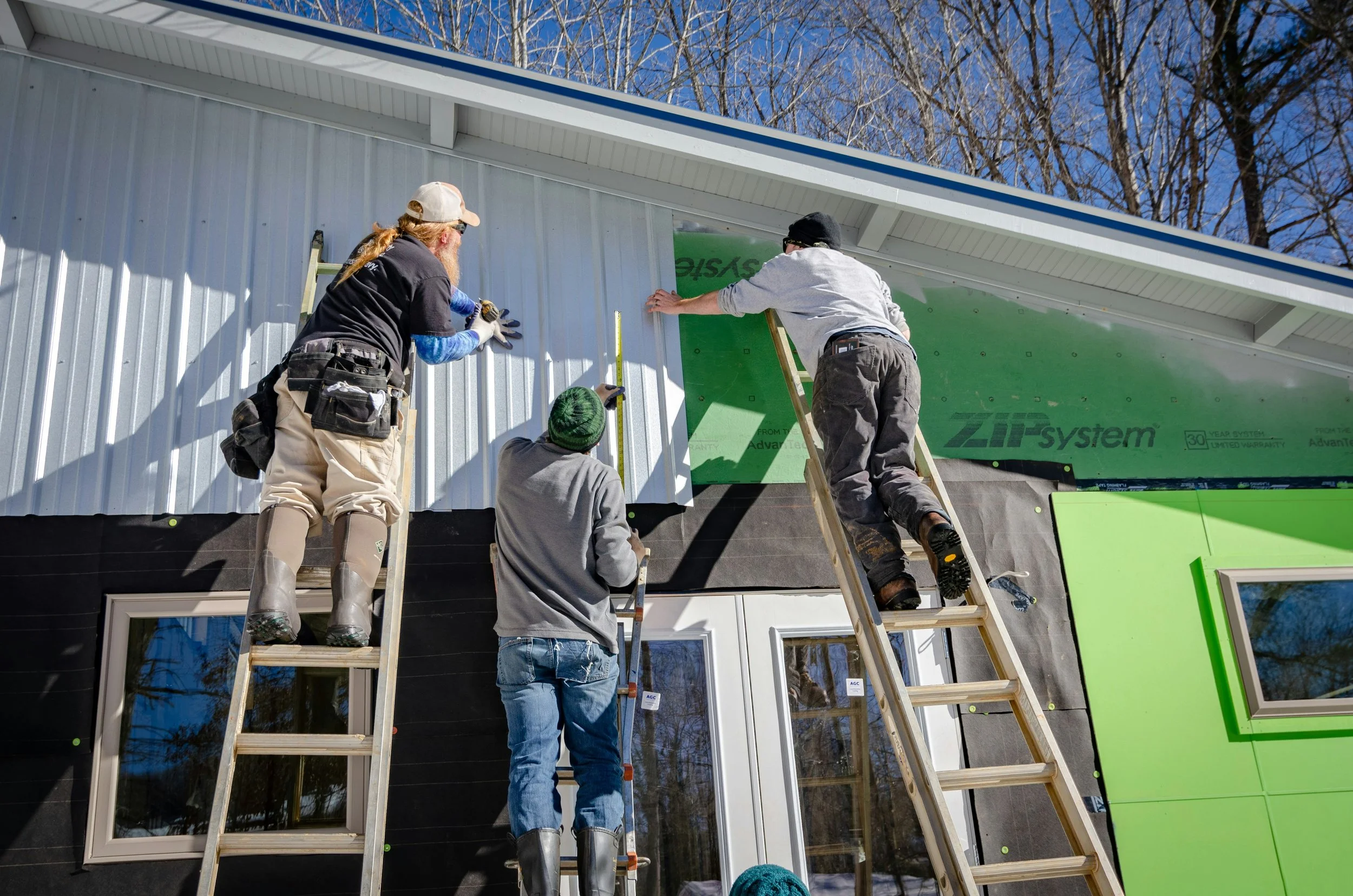
Homeowners across Quesnel and the Cariboo want their deck finished, their siding replaced or their new windows installed “before the snow flies.”
It's a phrase almost everyone uses and it makes sense as a mental deadline. Snow is visible. It's dramatic. It feels like the obvious line in the sand.
Here's the part that catches people off guard: by the time snow is actually falling, the real deadline for most exterior renovation work passed weeks earlier.
The materials that go into a home, concrete, caulking, exterior paint, roofing adhesive, don't care what the calendar says or whether flakes are in the forecast. They care about temperature and temperature starts working against you long before winter looks like winter.
The Calendar Deadline vs. the Real One
Quesnel's average first fall frost lands somewhere in the last ten days of September. That's not a hard freeze and it's certainly not snow, but it's the first sign that overnight temperatures are sliding into a range that matters for construction. Snow itself usually doesn't show up in any real amount until November. So, there's a gap, sometimes six or seven weeks, between the day the air starts turning and the day most people mentally register winter has arrived.
That gap is exactly where renovation plans quietly fall apart. A homeowner who's watching for snow still feels like they have time in mid-October. A contractor watching overnight lows knows the window closed a while ago.
What Actually Freezes First
Different materials have different breaking points and most of them are well above freezing. A few examples worth knowing:
Concrete needs both the air and the mix itself to stay around 10°C (50°F) or warmer while it cures, or it needs blankets, heaters and extra time to set properly
Exterior paint and stain usually stop bonding correctly once nighttime temperatures dip below that same range, even if the daytime high still feels comfortable
Caulking and sealants around new windows and doors need warmth to cure and adhere, which is a problem once the sun starts setting at 6pm instead of 9pm
Roofing shingles rely on sun exposure to seal themselves down, something that gets a lot less reliable as the days shorten and the angle of the sun changes
None of these materials care that there's no snow yet. They're already responding to the season.

The Permit Timeline Nobody Budgets For
There's a second deadline hiding behind the weather one and it trips up just as many people. In the Cariboo Regional District, a complete building permit application can take up close to 20 business days to process and that clock only starts once every required document has actually been submitted. Applications that come in missing information don't get a head start, they get pushed to the back of a growing pile.
A Quesnel homeowner who decides in mid-September that they want renovations that are permit-required before winter is often already fighting the calendar on two fronts at once: the weather window closing outdoors and a month-long approval process that hasn't even started yet. It's one of the most common reasons a project that felt achievable in September ends up pushed into spring. Not because the work itself would have taken long, but because the weather window and the permit clock ran out at the same time.
Why Contractors Get Booked Solid Right Now
This is also why September and early October tend to be the busiest stretch of the year for restoration and renovation crews across the region. Every contractor in town is racing the same clock, trying to get exterior projects sealed up before the materials stop cooperating. That means scheduling gets tight fast and homeowners who wait until the first cold snap to start calling around are often choosing from whatever openings are left, not whoever they'd actually prefer to hire.
Not Every Project Is Racing the Weather
Here's the part that tends to bring people some relief once they hear it. Interior renovations, basements, kitchens, bathrooms, drywall and framing work inside an already enclosed space, aren't fighting the same clock at all. If an exterior project isn't going to make it before the temperature turns, shifting the plan to something indoors can keep a renovation moving all winter long instead of sitting idle until spring.
Plan Around the Real Deadline, Not the Visible One
The snow will get plenty of attention when it finally arrives. The smarter move is paying attention to what's already happening before that, the cooling nights, the shrinking daylight and the permit clock that may already be running. At Ultrawest Restoration, we work with homeowners across Quesnel, Prince George, Williams Lake and 100 Mile House to figure out what can realistically get done before the season turns and what makes more sense to move indoors for the winter months.
If you've got a renovation on your mind and you're not sure which side of that line it falls on, give us a call. We'd rather have that conversation in September than field the call in November explaining why the concrete can't be poured until spring.
