
After the Fire: What Rebuilding a Home or Business Actually Involves
Forest fire season returns to British Columbia and to communities across Canada, year after year. Homes are lost. Businesses are lost. Families are displaced, sometimes for months or longer.
It happens somewhere in this province almost every year and it is happening again right now in different corners of the country.
When the fire is out and the immediate danger has passed, a different kind of work begins. For the people who have lost a structure, rebuilding is rarely something they have gone through before and the process is often confusing, slow and emotionally heavy in ways that are hard to anticipate.
We have walked alongside homeowners and business owners through this more times than we can count and we know how much uncertainty there is in those early weeks, trying to make sense of what comes next.
Insurance and the Role of Your Adjuster
One of the first calls after a fire is to your insurance provider. Once a claim is opened, an adjuster is typically assigned to your file. Their role is to evaluate the damage, determine what your policy covers and work with you through the financial side of the rebuild.
From there, the adjuster usually coordinates the structural assessment, since the scope of damage directly affects what a policy will pay for and how the claim moves forward. Understanding this relationship early can make the weeks ahead feel a little less like guesswork. It's a lot of paperwork and a lot of waiting and both are simply part of how the process works.
The Assessment Comes Before Any Rebuild Decisions
Once the claim is underway, a structural engineer or qualified professional assesses what remains of the property and determines what, if anything, is still sound. Foundations, framing and load-bearing elements all need to be evaluated, since fire damage isn't always visible to the eye. Heat can compromise materials without leaving obvious signs.
This stage also includes testing for hazardous materials. Older homes in particular may contain asbestos or other substances that require special handling once disturbed. None of this can be skipped, even when the instinct is to move quickly. Getting the assessment right shapes every decision that follows, including whether a rebuild is even the right path compared to a full teardown.
This is also where the weight of the loss tends to set in. Seeing the full scope of what didn't survive, laid out plainly by an assessment, is often harder than the fire itself. That reaction is normal and it doesn't mean anything has gone wrong with the process.
Deciding What Comes Down
Not every fire-damaged structure needs to be demolished entirely. Sometimes only a portion of a home or building is beyond repair, while other sections remain structurally sound and salvageable. Other times, the damage is extensive enough that a full teardown is the safer and more practical choice.
This decision is made carefully, based on the structural assessment, the extent of smoke and heat damage and what makes sense financially once insurance coverage is factored in. Demolition, when it's needed, is a controlled and deliberate process, not the fast, chaotic version people sometimes picture. Materials are removed in a specific order, hazardous substances are handled according to regulation and the site is left clean and safe for the next phase to begin.
What the Rebuild Sequence Actually Looks Like
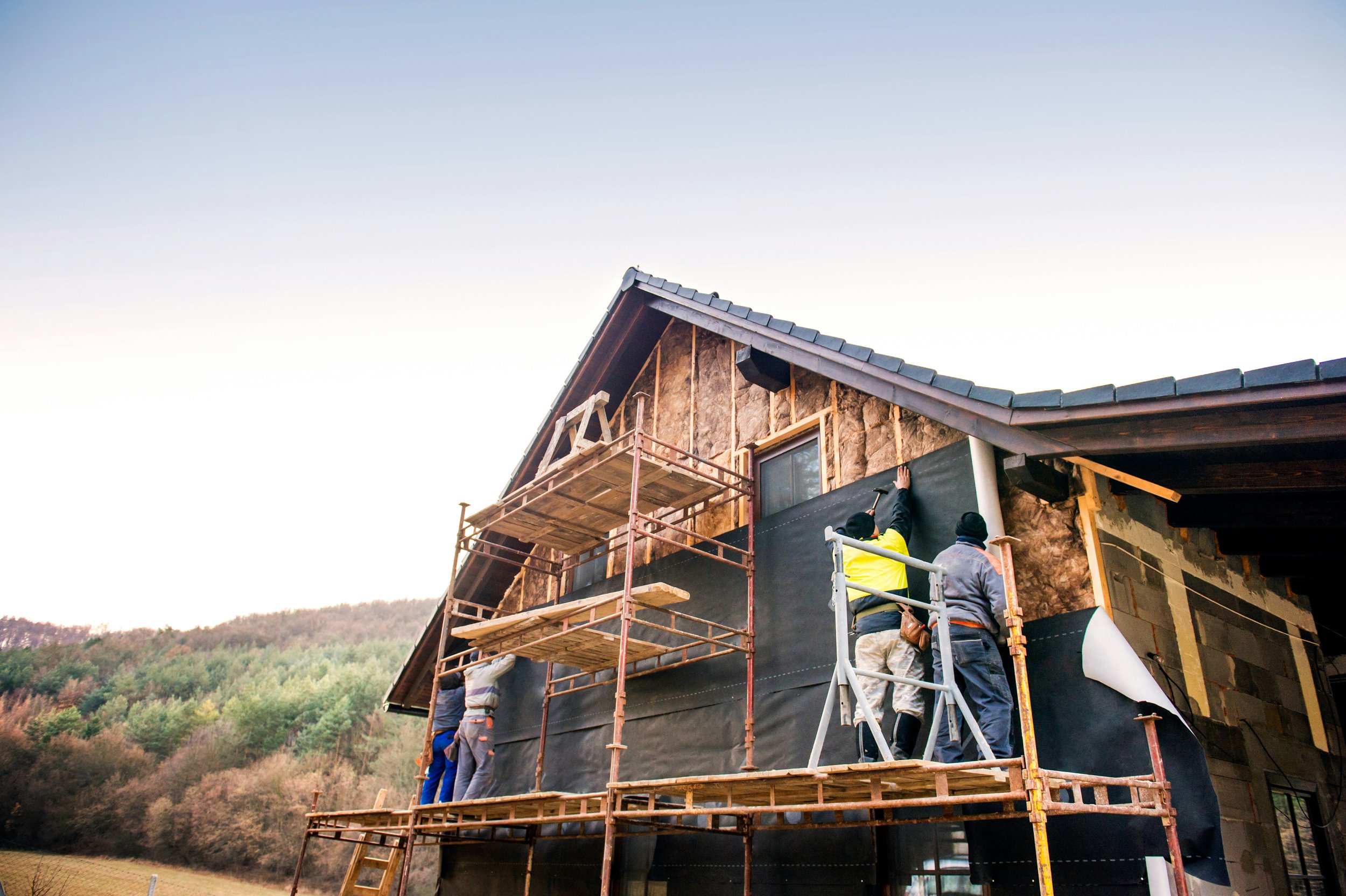
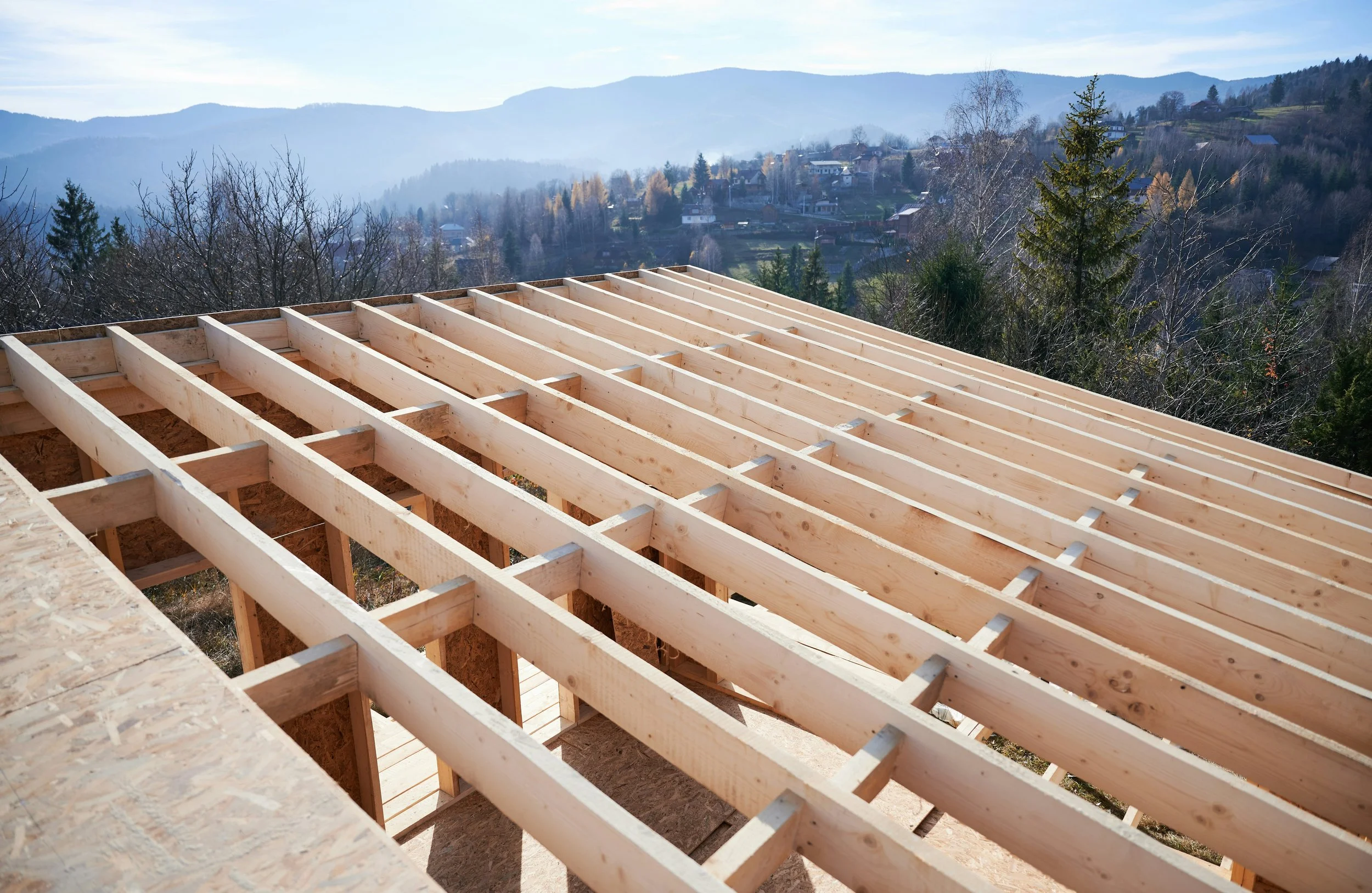
Rebuilding almost always takes longer than people expect and there's a reason for that. Permits need to be secured before construction can start and depending on the municipality and the scope of the project, that alone can take weeks. Once permits are in place, the sequence generally follows the same order as any new construction: structural framing first, then the systems inside the walls, plumbing, electrical and HVAC, followed by insulation, drywall and finally the finishes people actually see and live with.
Each stage typically requires its own inspection before the next can begin. That's what tends to catch people off guard. It isn't one continuous stretch of visible progress, it's a series of stages, each with its own timeline, its own inspection and its own waiting period. Weather, material availability and contractor scheduling all factor in too. Watching a home slowly take shape again, stage by stage, is part of what makes this phase feel so much slower than anyone expects going in.
Carrying the Weight of It
Underneath all of the assessments, paperwork and construction schedules, there's another process happening that doesn't show up on any timeline. Rebuilding after a fire asks a lot of people emotionally and that part deserves acknowledgment.
There's the exhaustion of constant decision-making, choosing materials, finishes and layouts for a home you never expected to have to rebuild in the first place. There's the grief that can surface unexpectedly, over a garden that took years to grow, a workshop full of tools, or the small, ordinary details of daily life that are gone. And there's the strange, disorienting mix of relief and loss that so many people describe, grateful to be safe, while still mourning everything that wasn't.
None of that is a sign of weakness or of handling things poorly. It's simply what this process asks of people and it tends to ebb and flow rather than resolve neatly by the time construction wraps up. Giving yourself room for that, rather than expecting to feel fine the moment the drywall goes up, tends to make the whole experience a little more bearable.
Fire season will likely come again and so will the rebuilding that follows it. We hope this helps someone who is in the middle of it right now, or who is trying to understand what a friend or neighbour is going through. It's a long process, but it is one that people get through, one stage at a time.
