
The Spring Melt Myth: Why Water Damage Often Starts Before Homeowners Notice
When most people think about spring water damage, they picture dramatic flooding, soaked carpets, or inches of water in the basement.
But that’s not usually how it starts.
In reality, some of the worst springtime damage begins quietly. A little moisture behind a wall. A small drip near the foundation. A damp smell that seems harmless at first.
By the time homeowners actually notice the problem, the damage has often been building for days or even weeks.
And in places like Quesnel, where winter likes to hang around longer than expected, the transition between freezing temperatures and spring melt creates the perfect conditions for hidden moisture problems.
At Ultrawest Restoration, we see it every year.
The biggest issue usually isn’t the initial water intrusion but how long it goes unnoticed.
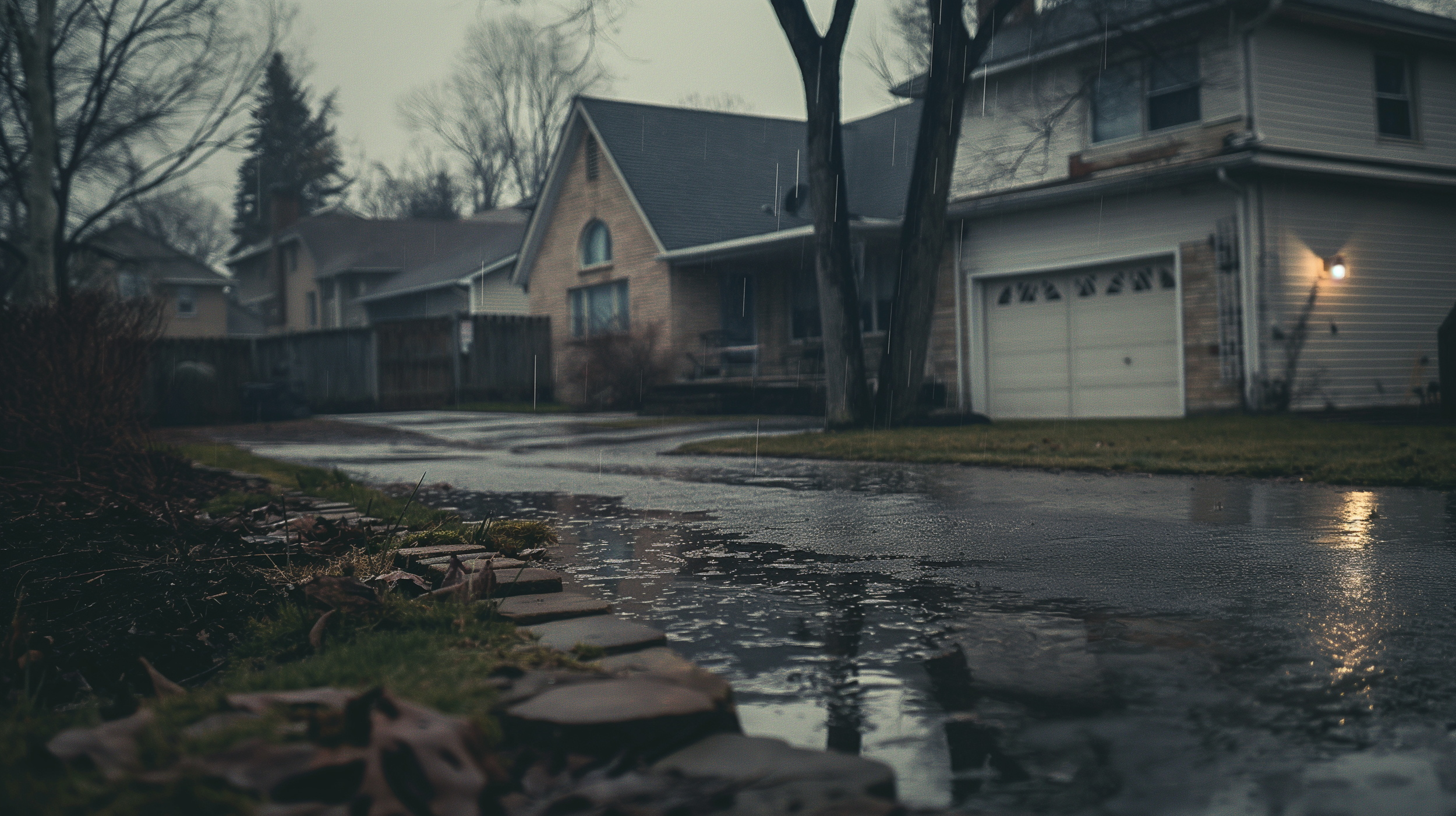
Spring Melt Doesn’t Always Look Like Flooding
One of the biggest myths about spring flood damage is that it has to be sudden and obvious.
Sometimes it’s as simple as melting snow slowly saturating the ground around your home. Once the soil becomes overloaded, water starts looking for somewhere else to go. That can mean tiny foundation cracks, basement seepage, overwhelmed drainage systems, or moisture finding its way into places it shouldn’t.
And because the process is gradual, homeowners often miss the early warning signs.
The Small Signs People Tend to Ignore
Spring water damage rarely announces itself loudly at first.
More often, it shows up in subtle ways that are easy to brush off during a busy week. Maybe there’s a faint musty smell in the basement, a patch of paint that suddenly looks a little bubbled or the baseboards seem slightly warped. Maybe the basement feels more humid than usual, even when everything appears dry.
These small changes don’t always seem urgent, which is exactly why they become bigger problems later.
Moisture has a way of spreading quietly behind walls, under flooring, and into insulation long before visible damage appears. And once materials stay damp for too long, mold growth and structural deterioration can begin surprisingly fast.
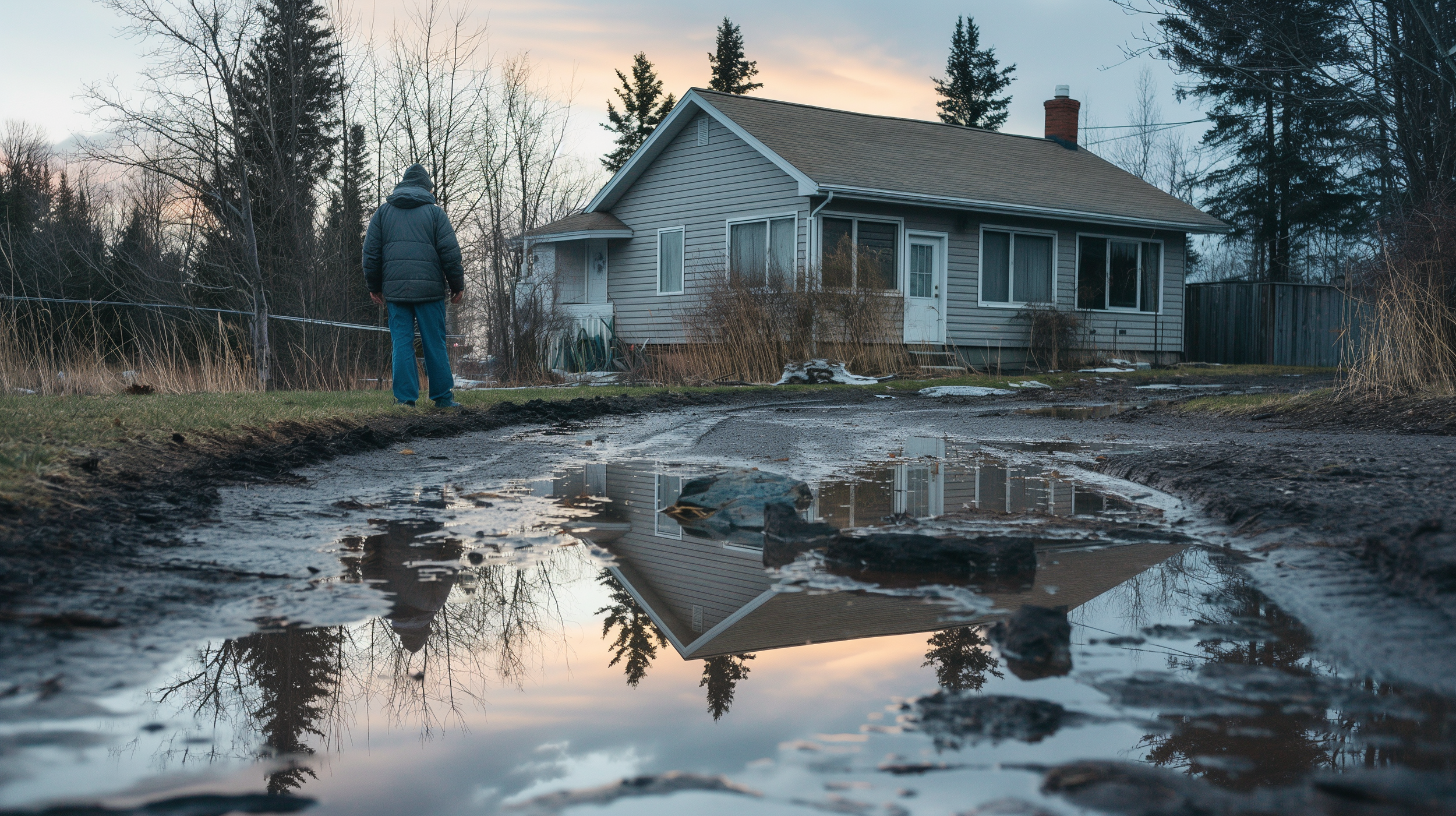
Why Early Action Makes a Big Difference
This is where professional water damage clean up becomes so important.
Many homeowners assume that once standing water is gone, the problem is solved. But proper drying and moisture detection go far beyond what’s visible on the surface.
Without specialized equipment, it’s almost impossible to know how far moisture has travelled or what materials have been affected underneath. What feels “mostly dry” can still hold enough trapped moisture to create ongoing damage weeks later.
The faster the issue is identified and addressed, the better the chances of avoiding larger repairs and more invasive restoration work.
What Homeowners Should Check This Time of Year
As temperatures slowly rise and snow begins melting, this is a good time to pay closer attention to areas around your property that are vulnerable to moisture:
Basement corners and foundation walls
Areas around windows and door frames
Gutters and downspouts
Low spots where water pools near the home
Crawl spaces and storage rooms
Ceilings or walls showing discoloration
You don’t need to panic every time you spot moisture. But you also don’t want to ignore the small signs and hope they disappear on their own.
Staying Ahead of Spring Water Damage
The tricky thing about spring water damage is that it often starts long before homeowners realize there’s a problem. By the time visible signs appear, moisture may already be affecting materials behind the scenes.
A little awareness this time of year can go a long way.
And if something doesn’t feel right, give us a call because Ultrawest Restoration is here to help with professional inspections, water damage clean up, and restoration services throughout Quesnel and the surrounding area.
Because when it comes to moisture, catching it early is always better than cleaning up a much bigger mess later.
