
After the Storm: The Hidden Signs of Storm Damage Quesnel Homeowners Often Miss
When a storm rolls through Quesnel, the obvious damage is easy to spot. A fallen branch, missing shingles, maybe a fence that didn’t quite survive the wind. It’s the kind of damage that gets your attention right away.
But here’s the thing most homeowners don’t realize:
Not all storm damage shows up immediately.
In fact, some of the most expensive and disruptive issues start quietly, hours or even days after the storm has passed.
At Ultrawest Restoration, we’ve seen it time and time again. What looks like “no big deal” in the moment can turn into water damage, mold, or structural issues if it goes unnoticed.
Here’s what to watch for in the first 24 hours after a storm, especially the subtle signs that are easy to miss.
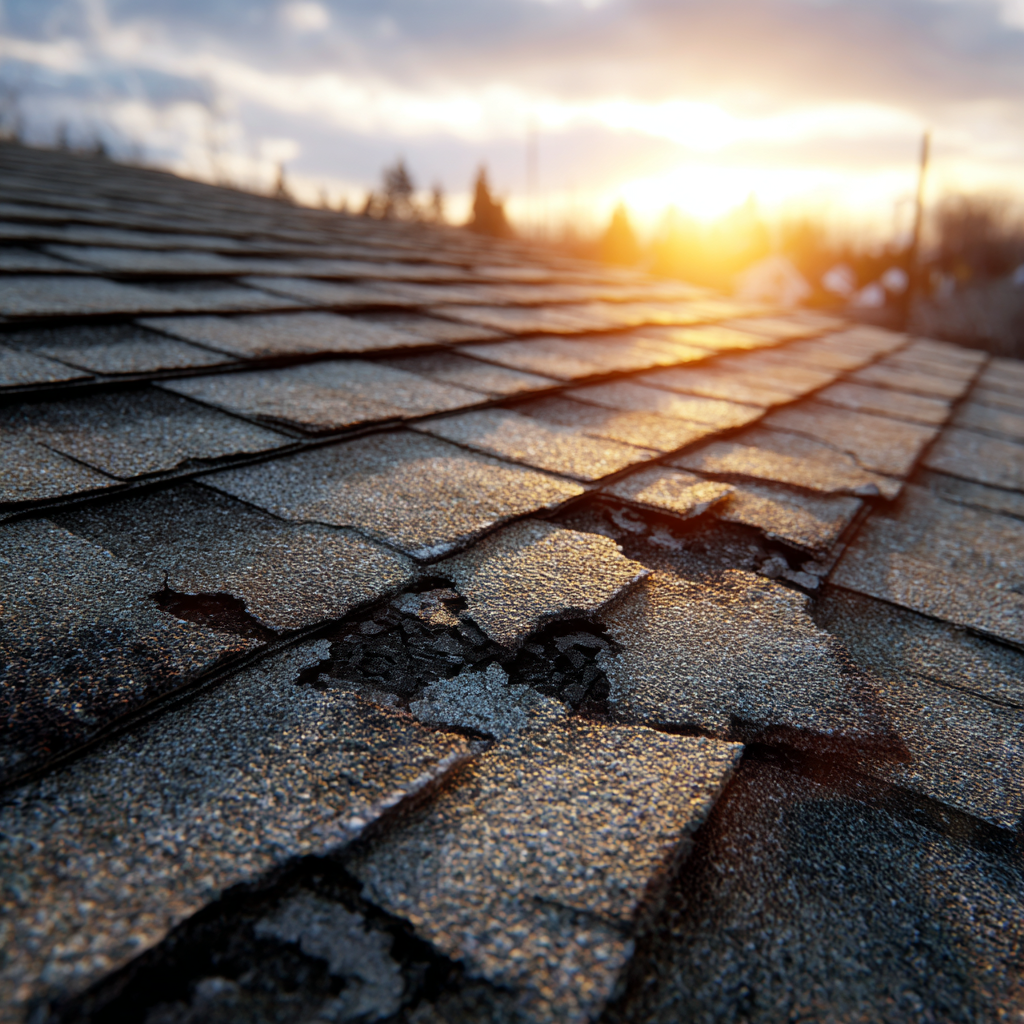
The Roof Might Look Fine… Until It Isn’t
You don’t need to see shingles on the ground for there to be a problem. High winds can loosen materials without fully tearing them off.
Watch for:
Slight dips or uneven lines along the roof
Debris collecting in unusual spots
Small pieces of shingle or granules near downspouts
Even minor roof damage can allow moisture to seep in, and once it reaches your attic or insulation, it can spread quietly.
Gutters and Drainage Take a Hit
After a storm, water doesn’t just disappear, it has to go somewhere. And your gutters and drainage system are what decide whether it moves safely away from your home… or straight toward it.
The tricky part is that Quesnel storm damage here isn’t always dramatic. Things might still be “working,” just not the way they should. That’s often when problems start to build quietly over time.
Take a few minutes to check for:
Gutters pulling away from the house
Downspouts that have shifted, loosened, or disconnected
Water pooling or running back toward your foundation
If water isn’t being directed away properly, it doesn’t take long for it to start finding its way into places it shouldn’t, especially once the ground is already saturated.

The Subtle Signs Inside Your Home
This is where things get missed the most.
Quesnel Storm damage doesn’t always show up in obvious ways. Sometimes it starts with small changes that are easy to brush off, a slightly musty smell when you walk into a room, a faint discoloration on the ceiling, or flooring that feels just a little off under your feet. You might notice a bit more condensation on windows than usual, or a space that suddenly feels more humid.
These kinds of changes don’t always feel urgent, which is exactly why they get overlooked. But in many cases, they’re early signs that moisture has found its way inside your home. And once it’s in, it doesn’t take long for it to spread into insulation, drywall, and other materials where it can quietly cause bigger problems.
Basement and Crawl Space Check
If there’s one area of your home that tends to take the hit after a storm, it’s the basement.
Even when everything looks fine at first glance, it’s worth slowing down and taking a closer look. You might notice a damp feeling in the air, darker patches along the walls, or that familiar earthy smell that wasn’t there before. Sometimes the signs are even more subtle, like a chalky residue on concrete surfaces or a floor drain that’s moving a little slower than usual.
In Quesnel, where storms and ground saturation often go hand in hand, water doesn’t need much of an opening to start working its way toward your foundation. And once it does, it tends to show up here first.
Why Timing Matters
The first 24 hours after a storm are critical.
Catching issues early can mean the difference between a small repair and a full restoration project. Moisture doesn’t wait and once it settles in, it can lead to mold growth, material breakdown, and costly damage.
That’s why a quick check around your property isn’t just a good idea, it’s one of the smartest things you can do as a homeowner.
When to Call for Help
Not every storm leads to major damage. But when something feels off, it’s worth getting a professional opinion.
At Ultrawest Restoration, we specialize in identifying both obvious and hidden storm damage in Quesnel and the surrounding area. We know where to look, what to test, and how to stop small issues from turning into bigger ones.
Because sometimes, the damage you don’t see is the one that matters most.
Stay Ahead of Storm Damage
Storms may come and go, but the impact they leave behind can linger if it’s not caught early.
A simple walkaround, a closer look indoors, and a bit of awareness can go a long way in protecting your home.
And if you’re ever unsure?
