
The 30-Minute Spring Walkaround That Could Save Your Home
There might be a few more snow days left, but spring is closer than it feels. And when the snow finally melts and the ground starts to thaw, homeowners across the Cariboo start discovering what winter quietly left behind.
Winter has a way of hiding things. Small leaks, drainage issues, and minor structural problems often stay out of sight while everything is frozen. But once temperatures start rising, those hidden issues can show themselves and sometimes it’s in the form of water damage, mold, or foundation problems.
The good news? You don’t need a ladder, a toolbox, or a contractor to catch many of these early warning signs.
All you need is about 30 minutes and a simple walk around your property.
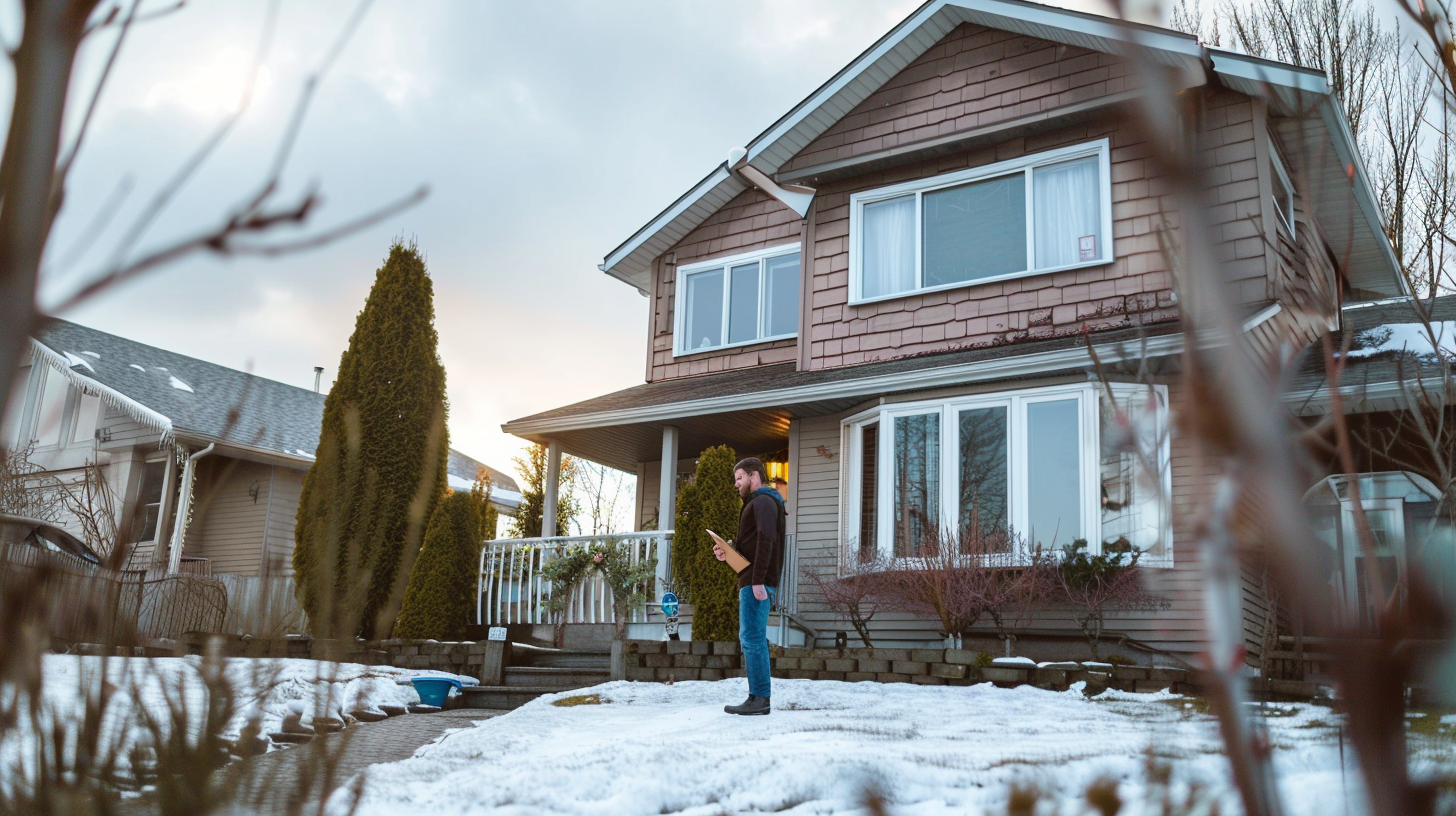
Start with the Roofline
No need to climb up there, just step back and look from ground level.
Winter storms, snow loads, and ice buildup can damage shingles or flashing without homeowners realizing it. Watch for:
Missing or curled shingles
Sagging areas along the roofline
Debris buildup in valleys or near gutters
Icicle damage along the edges
Even a small roof issue can allow moisture into the attic, which can later turn into mold damage or insulation damage.
Check Your Gutters and Downspouts
Gutters do a lot of heavy lifting during the spring melt. If they’re clogged or damaged, water has nowhere to go except toward your home. Look for:
Gutters pulling away from the roof
Downspouts clogged with leaves or debris
Water stains on siding below the gutter line
Pooling water near the foundation
Water that isn’t directed away from the house can eventually find its way into basements or crawl spaces.
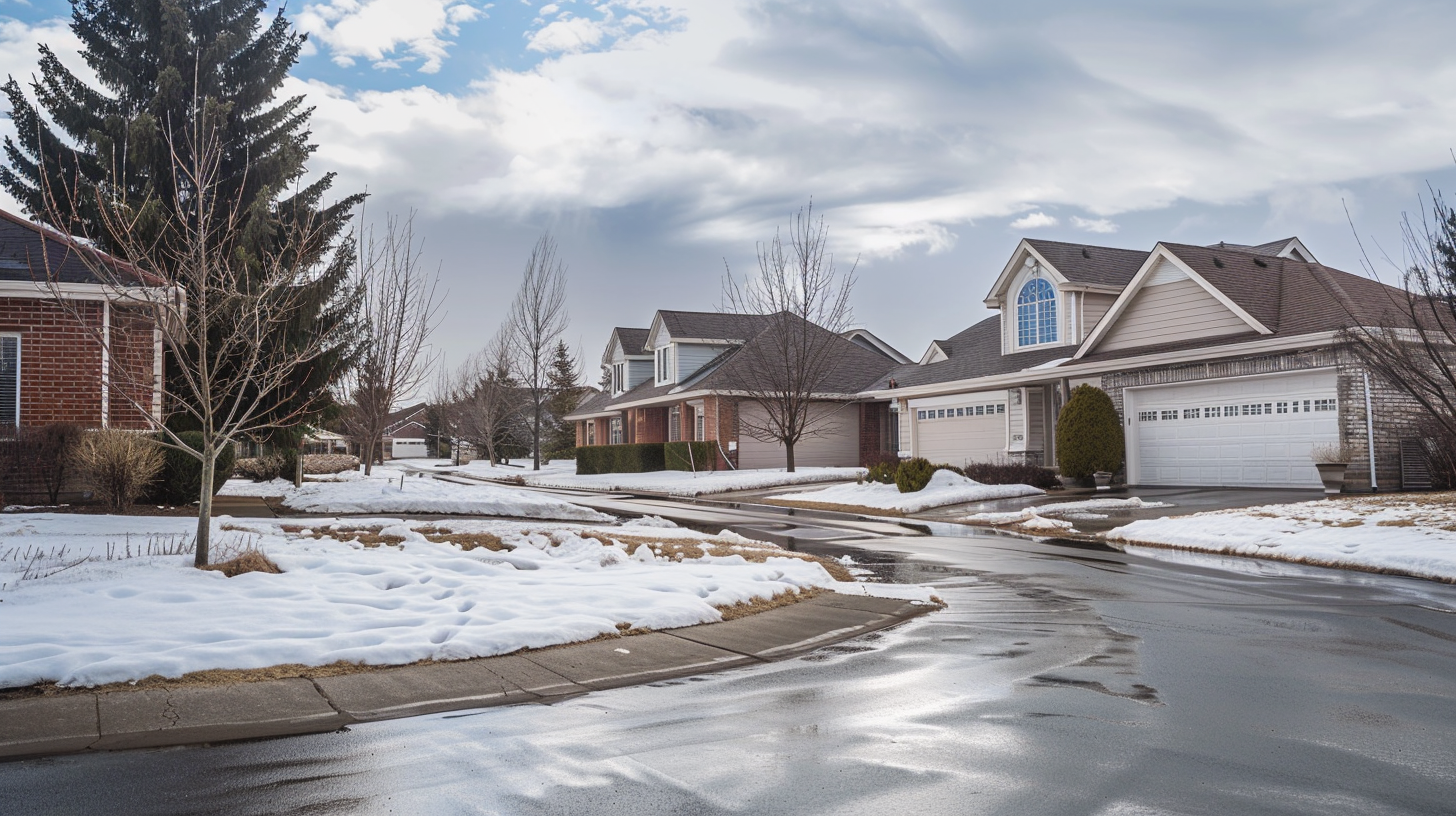
Walk the Foundation
Next, take a slow walk around the base of your home.
Freezing and thawing cycles can cause soil movement and small foundation shifts over the winter months. Look for:
New cracks in concrete or foundation walls
Areas where soil has sunk or pulled away from the home
Standing water near the base of the house
Signs of moisture or staining on exterior walls
These small signs can indicate drainage issues that become much bigger once the snow begins to melt.
Don’t Forget the Basement
Once you’ve checked the outside, head indoors.
Your basement is often the first place where winter damage reveals itself. Pay attention to:
Musty smells or increased humidity
Damp spots on floors or walls
White powdery residue on concrete (a sign of moisture movement)
Slow floor drains
These can be early indicators that water is entering the home somewhere it shouldn’t.
Test Your Sump Pump
If your home has a sump pump, spring melt is when it will be working the hardest.
A quick test now can save a major headache later. Pour a bucket of water into the sump pit and make sure the pump activates and drains properly. If it struggles or doesn’t turn on, it’s worth addressing before the real thaw begins.
A Little Prevention Goes a Long Way
Most of the time, small problems stay small if they’re caught early. But when they’re ignored, they can quickly turn into restoration projects involving water damage, mold remediation, or structural repairs.
Taking half an hour now to walk around your property can help you spot issues before they become expensive surprises.
And if you do find something concerning? That’s where Ultrawest Restoration comes in. Give us a call, our team helps homeowners across Quesnel, Prince George, Williams Lake, and 100 Mile House tackle everything from water damage and mold to structural repairs and restoration.
Spring may still be around the corner, but a little preparation today can make a big difference tomorrow.
